


When competition is tight, knowing how satisfied your customers are, and working to raise that satisfaction, is no longer optional. Picture being able to learn precisely how people feel about your product or service just by asking them one quick question. That is the idea behind the Customer Satisfaction Score, better known as CSAT. For any company that wants to thrive and grow, it is an important number to watch. Below, we look at what CSAT is, why it matters and how you can use it to strengthen the way you engage with customers.
CSAT at a Glance
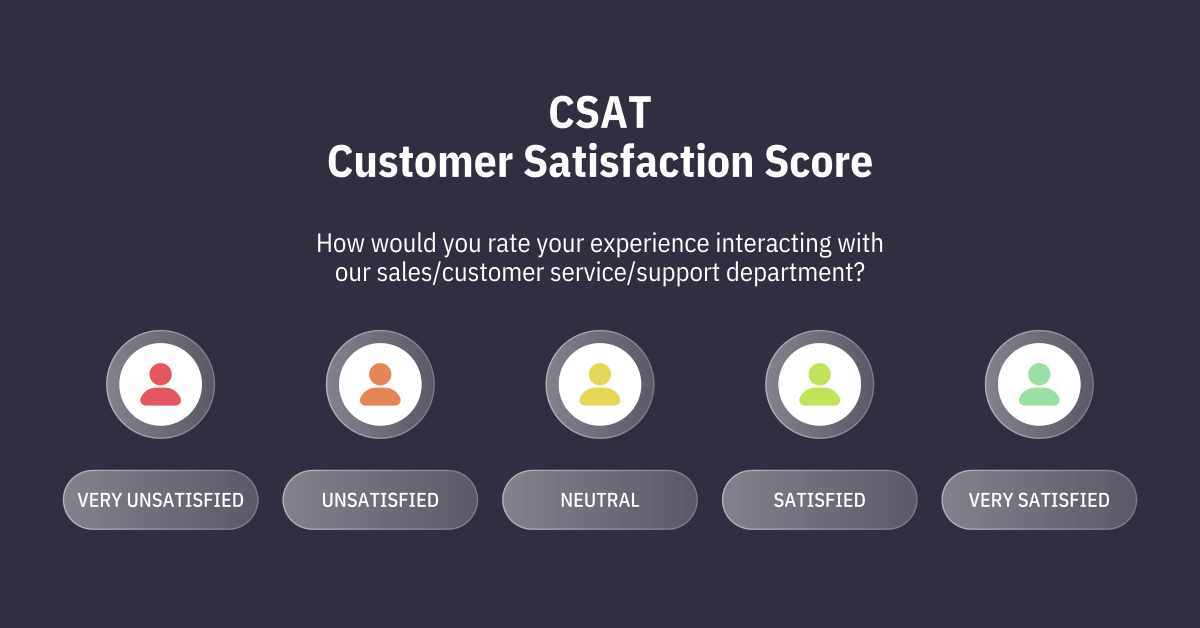
Put simply, the Customer Satisfaction Score (CSAT) is an easy way to gauge how satisfied customers are. Right after a customer interacts with you, a short survey asks a direct question such as "How would you rate your experience?" Customers answer using a scale, star ratings or emojis, which makes it quick for them to share how they feel and gives you a clear picture of how you are doing in their eyes.
Why Customer Satisfaction Pays Off
Building a loyal group of happy customers is not just a nice idea; your business depends on it. Customers who are satisfied tend to come back, spend more and recommend you to others. On the other hand, if you never measure or understand satisfaction, you risk losing more customers, attracting bad word of mouth and missing out on revenue. CSAT keeps you in touch with how customers feel, shows you what to fix and helps your business grow.
How to Measure CSAT
Getting started with CSAT is simpler than many people expect. Modern call centre software can build surveys right into the channels you already use with customers, such as chat, text or email, and send them as soon as an interaction ends. You get feedback in real time along with insights you can act on, so concerns can be dealt with quickly. Since the aim is honest feedback, keep your questions clear, short and tied to the experience the customer just had.
What a Good Score Looks Like
CSAT results differ from one industry to the next, but a score somewhere between 76% and 85% is a solid benchmark and points to healthy customer satisfaction. Reaching a high score and holding on to it shows that your company is doing more than meeting expectations; it is going beyond them, which sets you up for lasting success and growth.
Best Practices for CSAT Surveys
Follow these tips to get the most from CSAT:

Write Questions People Understand
Keep surveys easy to follow so customers finish them and the feedback you collect is accurate.
Stay on Topic
Shape each question around your goals and concentrate on the areas that really count.
Blend Different Question Styles
Combine closed questions with open-ended ones so you collect both numbers and richer, descriptive insight.
Keep Your Scales Consistent
Stick with one rating scale across all your surveys so results line up and are easier to analyze.
Remain Impartial
Steer clear of questions that nudge people toward an answer, so the responses you get are honest and free of bias.
Building these habits into how you measure CSAT can reveal a great deal about what customers experience, and that understanding leads to changes that raise both satisfaction and loyalty.
Putting CSAT to Work
CSAT is more than a figure on a report. It points the way to better experiences for the people who do business with you. When you understand it and measure it well, you can find chances to delight customers, set your brand apart and grow in a sustainable way. Start building CSAT into how you engage customers, and see how far your satisfaction scores and your business can go. To see how RBI Cloud Connect can help, explore our contact centre features.
Frequently asked questions
What is a good CSAT score?
Scores vary by industry, but a score in the 76% to 85% range is a good benchmark that indicates healthy customer satisfaction.
When should a CSAT survey be sent?
Right after a customer interaction, through channels such as email, text or chat, so you get real-time feedback you can act on.
How do customers answer a CSAT survey?
Usually with a rating scale, star ratings or emojis, in response to a direct question such as how they would rate their experience.